The combined pill, patch and ring
How combined contraception works, who needs a different option, and which symptoms need urgent care. Condoms are still needed for STI protection.
Key points
- The combined pill, patch and ring contain oestrogen and progestogen.
- Combined hormonal methods are unsuitable for people with migraine with aura.
- Tailored pill regimens may reduce symptoms during breaks; discuss them with your prescriber.
- Condoms are still needed for STI protection.
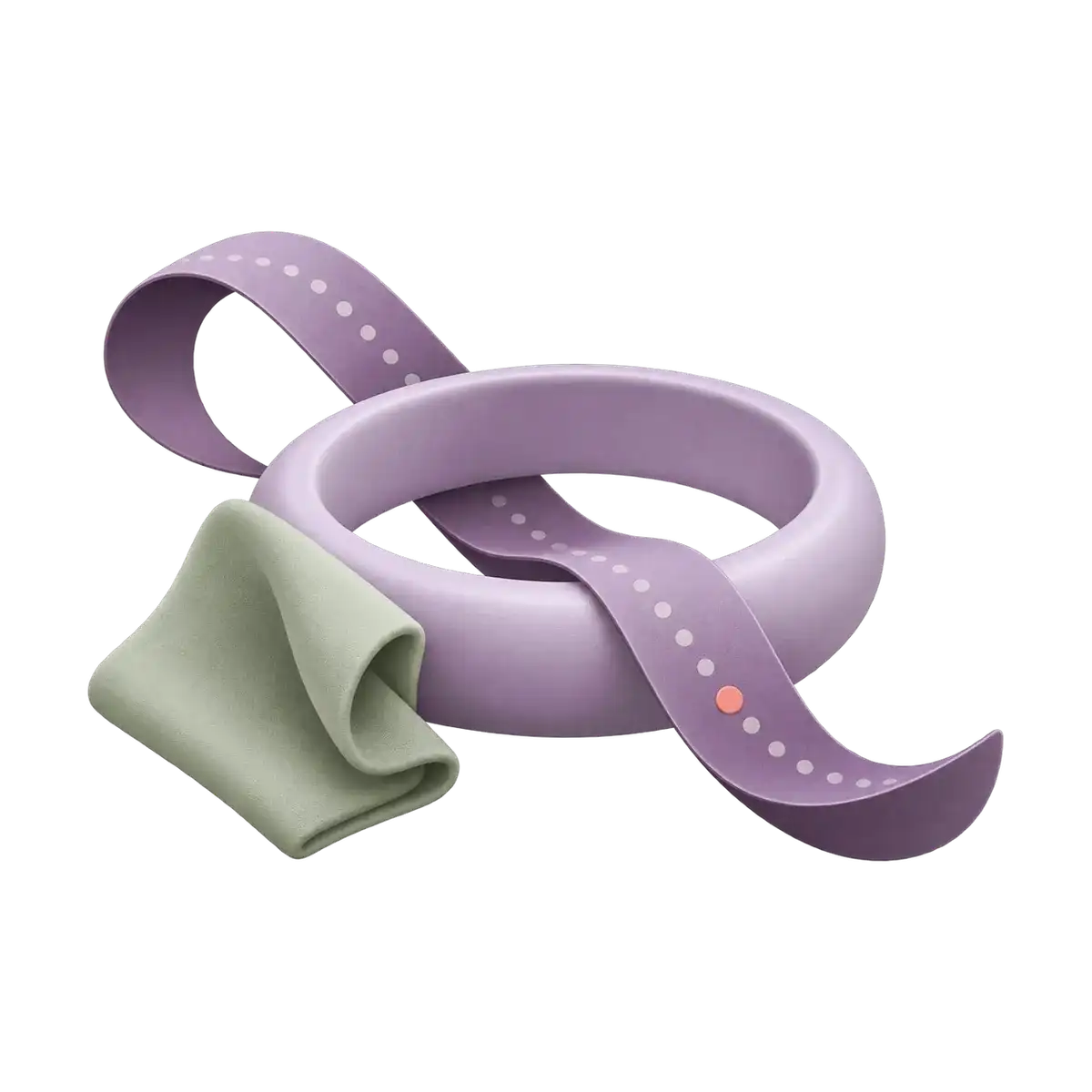
The combined pill, skin patch and vaginal ring all contain oestrogen and progestogen. They mainly prevent pregnancy by stopping ovulation, when an ovary releases an egg. In US information, the hormones are called estrogen and progestin. All three methods are combined hormonal contraception.
How you use each method
These methods also thicken mucus in the cervix, making it harder for sperm to enter the womb, and thin the womb lining.
The pill is swallowed, the patch sticks to the skin, and you insert the ring into the vagina yourself. Each product has its own instructions. ACOG describes both rings that are replaced with new ones and a reusable type, so follow the instructions for your own ring.
Correct use matters. For the combined pill, the NHS gives effectiveness of more than 99% with correct use all the time, and 91% when it is not used correctly. CDC uses a different measure and reports a typical-use failure rate of 7% for the pill, patch and ring. These estimates differ and cannot tell you exactly what your own protection will be.
Bleeding and tailored regimens
Combined methods can make bleeding lighter and shorter and reduce cramps. With some pill packs, bleeding happens during a hormone-free break or while taking inactive pills. This bleeding pattern is part of how the product is used.
A tailored regimen means a clinician may discuss shorter, fewer or no breaks between suitable pill packs. This can reduce headaches and bleeding during breaks. ACOG also describes continuous use for some patches and rings. Ask your prescriber what suits your exact product, and follow the leaflet and agreed instructions rather than changing the pattern yourself.
Reported side effects include headaches, nausea, breast tenderness and bleeding between periods. The patch can irritate skin, and the ring can cause vaginal irritation. Ask for advice if an effect is getting in the way of daily life.
When oestrogen may be unsuitable
Combined methods carry a small increased risk of blood clots, heart attack and stroke. A history of migraine with aura is a reason these methods should not be used. Tell the clinician about migraine warning symptoms, previous blood clots, stroke, heart disease or high blood pressure before choosing a method.
Smoking and age matter together. The NHS says the combined pill may not be suitable if you are aged 35 or over and smoke. Discuss this with your clinician, even if you feel healthy.
After a birth, whether you can use these methods also depends on blood-clot risk and breastfeeding. UK and US patient guidance gives different starting advice, so ask your own maternity or contraceptive clinician to confirm the plan. Oestrogen may affect milk supply.
Some medicines and herbal remedies affect the combined pill. Bring a list of what you use, including non-prescription products, to a pharmacist or prescriber. Ask about interactions before making changes.
The pill, patch and ring do not provide STI protection. Condoms can be used alongside them to help protect against HIV and other STIs. Ask about condoms too if you need protection against infections.
Symptoms that need medical help
Call 999 now (UK) or 911 (US), or your local emergency number, for severe difficulty breathing, chest or upper-back pain, or collapse. Do not wait for leg symptoms. Call the same number for sudden face drooping, weakness or numbness in an arm, or difficulty speaking, even if these symptoms stop. In the US, also call 911 or go to the emergency department for sudden breathlessness or coughing up blood.
Contact an urgent GP service or NHS 111 today (UK), or your doctor or urgent care service (US and elsewhere), for new leg pain and swelling, particularly on one side.
Get urgent help now from your GP or NHS 111 (UK) for sudden breathlessness or coughing up blood. In the US, call 911 or go to the emergency department for these symptoms; elsewhere, contact your local urgent medical service now. Severe breathing difficulty, chest or upper-back pain, or collapse needs emergency help as above.
For bleeding changes or other side effects that are troubling you, book an appointment with your GP or sexual health clinic in the UK, or your doctor or contraceptive service in the US and elsewhere. Ask about the options before changing your prescribed method.
When to get help
- Emergency
Call 999 now (UK) or 911 (US), or your local emergency number, for severe difficulty breathing, chest or upper-back pain, or collapse. Do not wait for leg symptoms. Call the same number for sudden face drooping, weakness or numbness in an arm, or difficulty speaking, even if these symptoms stop. In the US, also call 911 or go to the emergency department for sudden breathlessness or coughing up blood.
- Same day
Contact an urgent GP service or NHS 111 today (UK), or your doctor or urgent care service (US and elsewhere), for new leg pain and swelling, particularly on one side.
- Same day
Get urgent help now from your GP or NHS 111 (UK) for sudden breathlessness or coughing up blood. In the US, call 911 or go to the emergency department for these symptoms; elsewhere, contact your local urgent medical service now. Severe breathing difficulty, chest or upper-back pain, or collapse needs emergency help as above.
- Book an appointment
Book an appointment with your GP or sexual health clinic (UK), or your doctor or contraceptive service (US and elsewhere), if bleeding changes or other side effects are troubling you.
Where you live
Services and advice differ between countries.
- UK
- The NHS says the combined pill may be unsuitable if you are aged 35 or over and smoke. Ask a clinician about eligibility and tailored regimens. For sudden breathlessness or coughing blood, NHS advice is urgent GP or NHS 111 help; severe breathing difficulty, chest or upper-back pain, or collapse needs emergency help.
- US
- ACOG describes both a ring replaced with a new one and a reusable ring. Follow the instructions for the product prescribed to you. MedlinePlus directs emergency care for sudden breathlessness or coughing blood; this differs from the UK urgent-care advice.
- Elsewhere
- Elsewhere, ask your local contraceptive service about suitable methods and follow local urgent-care advice.
Sources
- Combined Hormonal Birth Control: Pill, Patch, and Ring, ACOG Page updated , checked
- Who can take the combined pill, NHS Page updated , checked
- How to take the combined pill, NHS Page updated , checked
- DVT (deep vein thrombosis), NHS Page updated , checked
- Pulmonary embolus, MedlinePlus Page updated , checked
- Contraception and Birth Control Methods, CDC Page updated , checked
- Pulmonary embolism, NHS Page updated , checked
- Symptoms of a stroke, NHS Page updated , checked
Keep reading


Browse more contraception guides, the full Learn library, or common questions about periods and Veya.